“Fermentation” is a metabolic process carried out by natural microorganisms: yeasts.
It is an energetic, transformative event that transfigures the starting raw material, generating organoleptic results that are extremely different from the initial substrate, thus revealing the primary aromas hidden in the grapes.
Alcoholic fermentation is therefore very important as it gives Balsamic Vinegar its aromatic heritage.
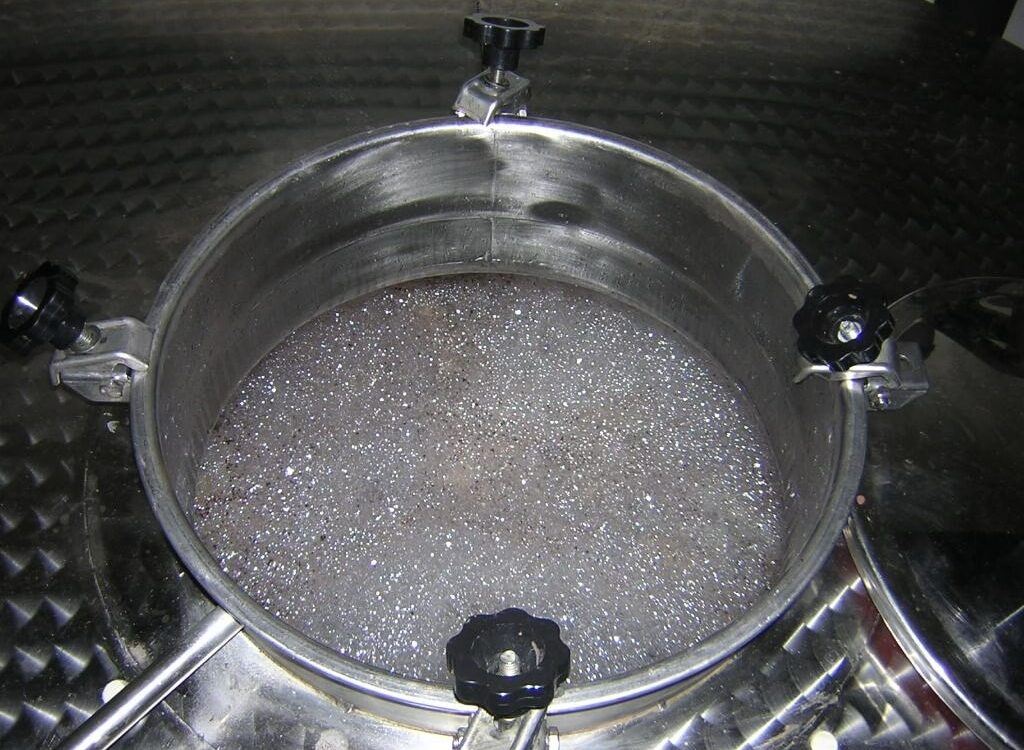
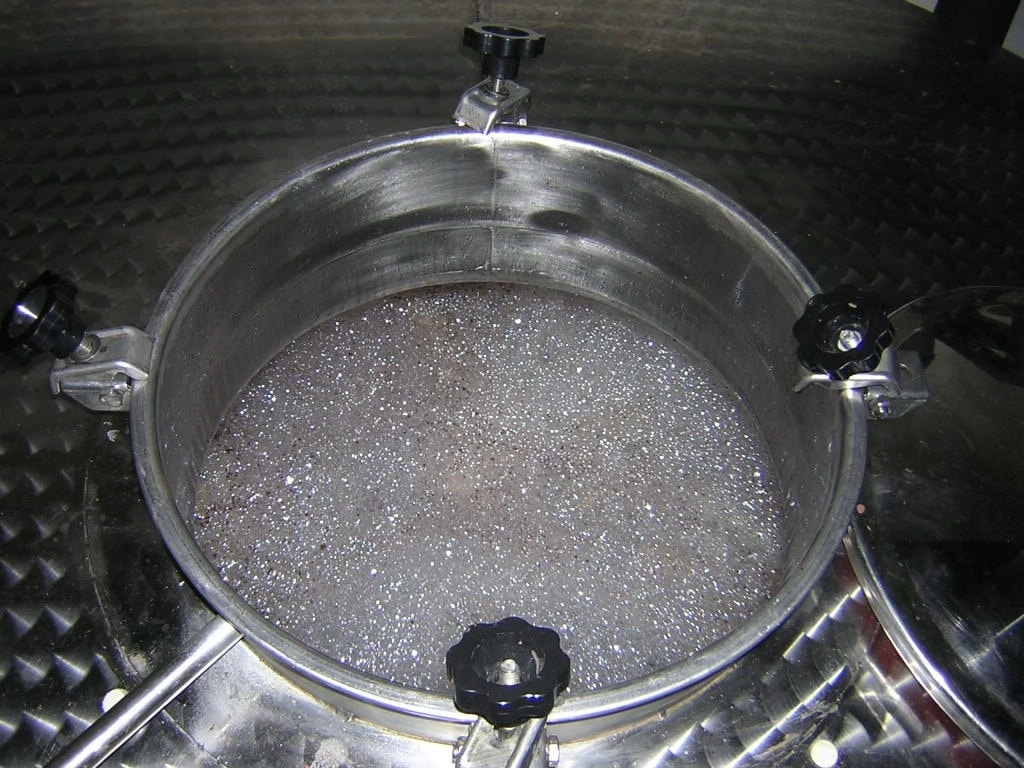
At the Acetaia del Cristo, in the same room where the must is cooked, the old cellar, are ancient concrete barrels. The must, once cooled after cooking, is transferred into them, where it finds the perfect environment for fermentation.
The process starts spontaneously, thanks to the abundance of yeasts selected over the years and those resident in the environment
The whole process lasts a week or so and must not be tumultuous (so as not to “burn” the more delicate aromas), nor slow and labored (because it would develop bitter and astringent flavors).
Some of the sugars in the must are transformed into ethyl alcohol, with a yield similar to that of wine, but the result is extremely different in terms of aromas and, above all, in terms of residual sugar.
Throughout the winter, the fermented musts will be periodically transferred from one container to another in order to remove, without the use of filters, the so-called fermentation “lees,” or sediments that settle on the bottom and are responsible for bitter and astringent flavors.
ACETIC DIOXIDATION
As spring approaches, the fermented cooked must is subsequently added to a series of first barrels, called “badesse” or “mother barrels”, where a good half of the already acetified product, a sort of “mother”, permanently resides.
Here, every year, the acetobacteria transform the fermented cooked must into must vinegar, which is the raw material for Balsamic Vinegar.
Il processo é completamente naturale e spontaneo, governato da innumerovoli variabili legate sia alla genuinità della materia prima sia alla stagionalità (annuale) della stessa, pertanto all’Acetaia del Cristo abbiamo un sovrannumero di “badesse” che ci consente annualmente di selezionare l’estrazione soltanto da quelle che meglio hanno sviluppato le caratteristiche ideali del “mosto acetificato” che sarà poi il rincalzo delle “batterie” produttive in Acetaia.