

a LONG WAIT
How to Grow Balsamic Vinegar
The grape harvest
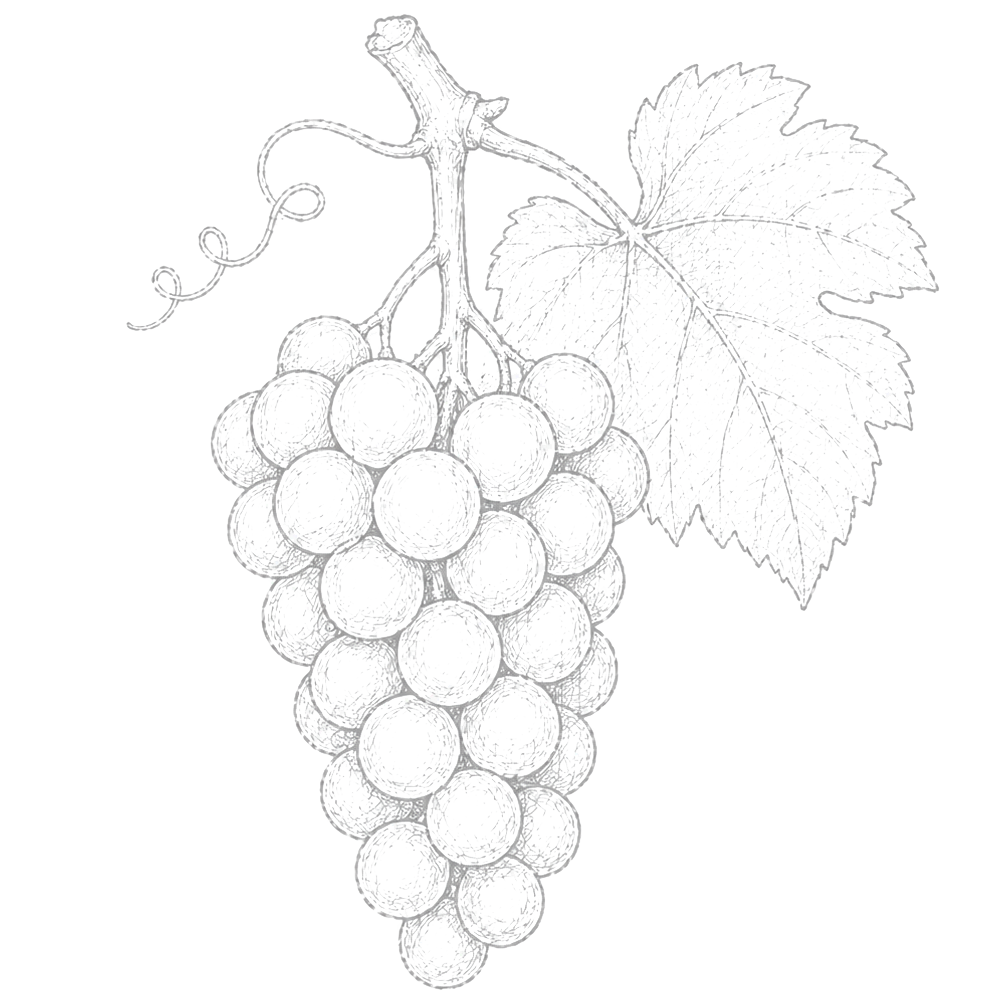
Produced exclusively from organically grown crops from its own vineyards, the Barbieri family began producing the world-famous product known and acclaimed as Traditional Balsamic Vinegar of Modena DOP. The grapes still hand-picked today are: Trebbiano di Spagna, Sauvignon Spergola, and Lambrusco di Sorbara and Salamino. The use of a blend of various white and red grape varieties gives the product a bouquet of distinctive characteristics, aromas, and flavors not otherwise obtainable.
Pressing “Crushing”
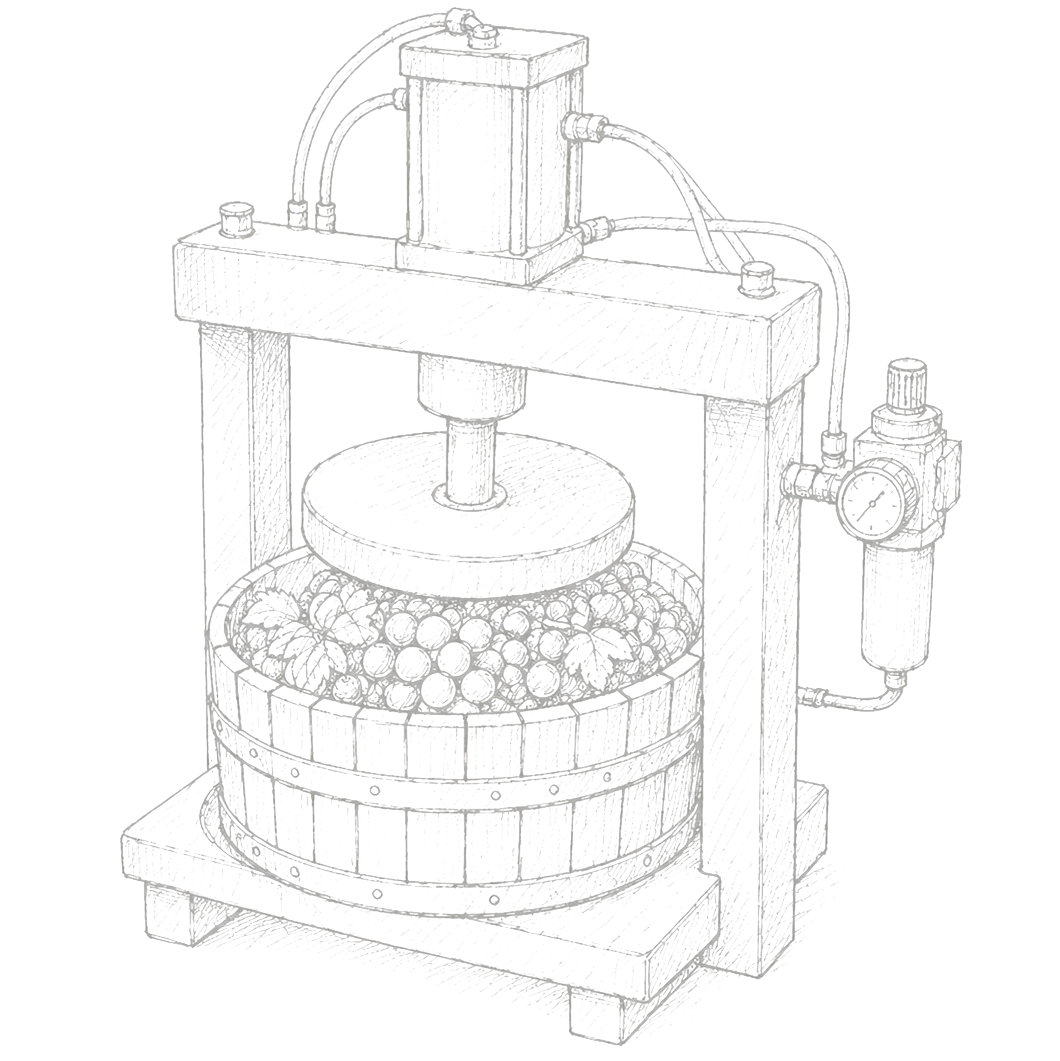
Immediately after the harvest, before alcoholic fermentation has even begun, the grapes are pressed. Once upon a time, the delicate feet of gentle maidens caressed the bunches of grapes, while today, with the same respect, a sophisticated pneumatic press allows for the gentle pressing of the grapes, extracting only the finest part of the must (through direct exploding of the grape), avoiding “squeezing” the tannins from the skins, pips, and stems.
Cooking
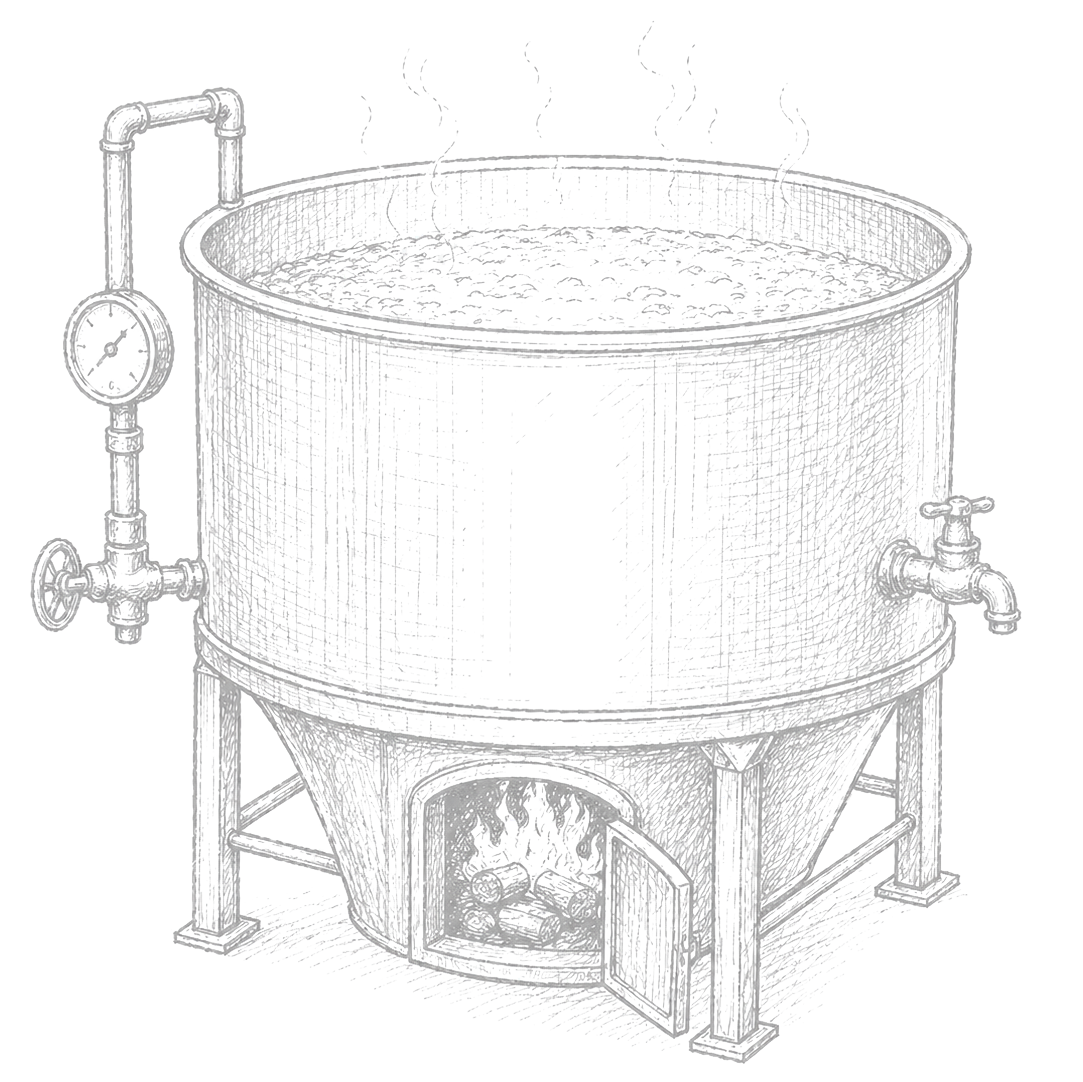
The must, first cooled like a fine wine, is then left to mature at a low temperature for several days. After careful cleaning, the delicate cooking phase follows, requiring enormous care, experience, and attention. Modern open-vessel, direct-fire steel boilers (as per tradition and the DOP regulations) regulate the temperature so that the process is completed in just a few hours and without physical stress, which could otherwise give rise to singed/burnt flavors or other imperfections.
Alcoholic Fermentation
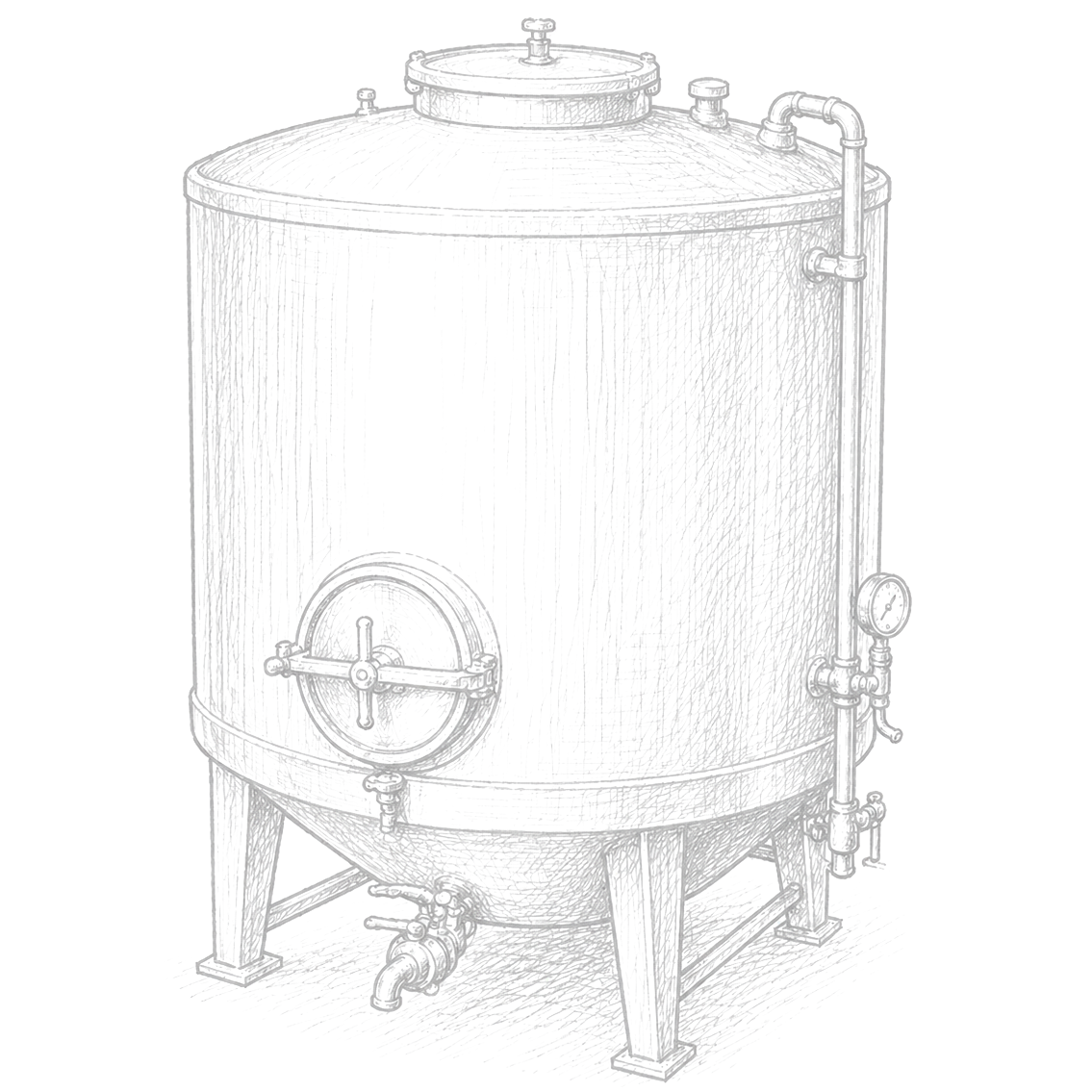
The nearly doubled sugar concentration and the sterilization resulting from cooking prepare the must to accommodate special yeasts, naturally selected from native strains and preserved over time by our families. The activity of these microorganisms, once regulated by the natural succession of the seasons (recently increasingly bizarre), will no longer bring us to San Martino with:
“…from the bubbling of the vats goes the harsh odor of wines to cheer the souls…” (G. Carducci)
Today, in fact, thanks to refrigerated containers, natural fermentation occurs in a moderate and linear manner, without burning any aromas with its own bubbling.
Acetic Oxidation
With the first warm days of spring, the alcohol is then transformed into acetic acid by equally unique and characteristic microorganisms: acetobacteria. Only after slowly developing a high level of acidity in large, old barrels (called mother barrels or abbesses) will the must be added, in subsequent years, to the first (largest) barrels of the battery.
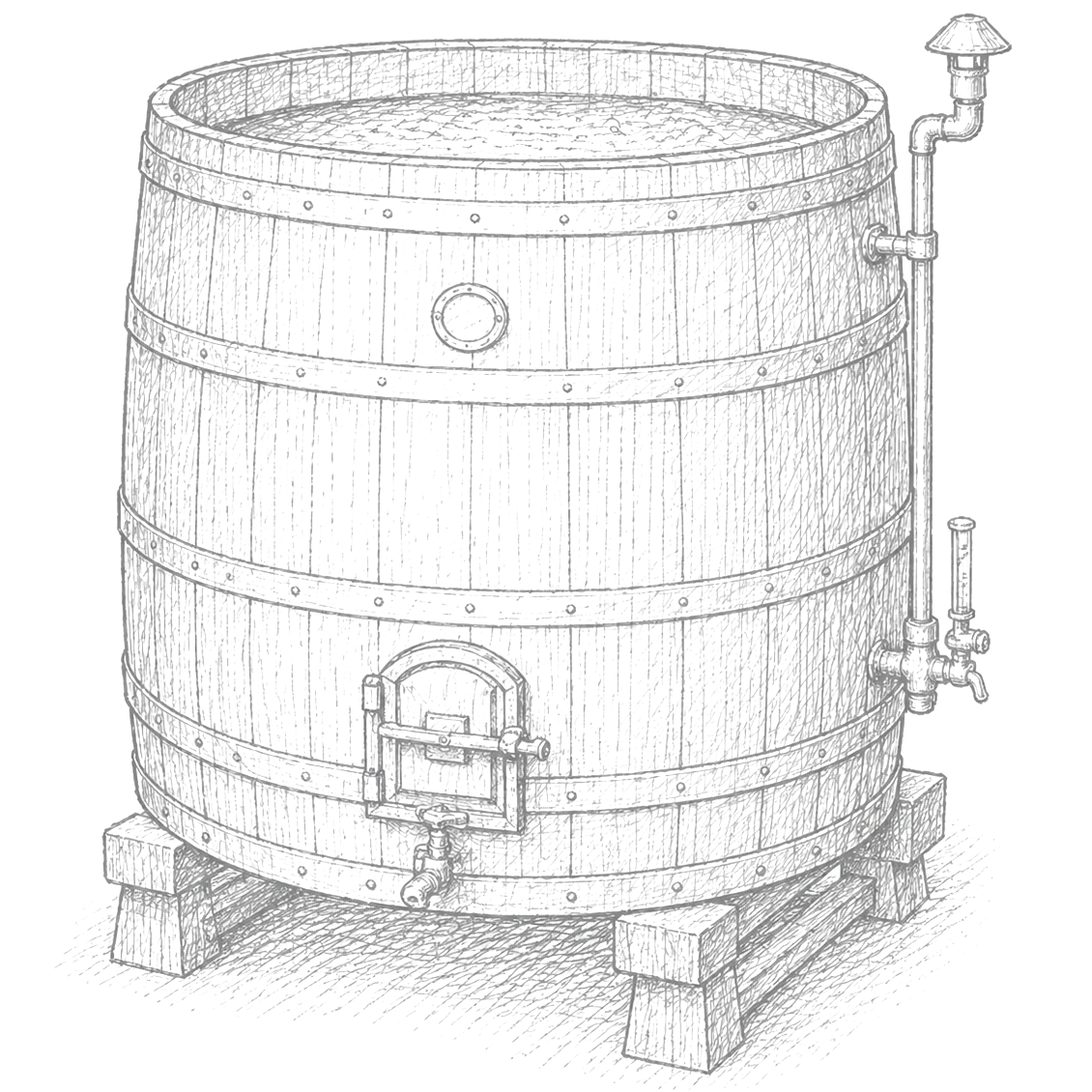
l’Acetaia
The term “Acetaia” refers to the space dedicated to the storage and preservation of the barrels dedicated to long-term aging. The historical and ideal location for “Traditional Balsamic Vinegar” is in attics, spaces where tranquility reigns supreme and which are more exposed to extreme temperature variations. Harsh winters favor decantation, while scorching summers facilitate the natural physical, chemical, and biological transformations over time, giving rise to the unique and long chains of sugars that create “Balsamic Complexities.”
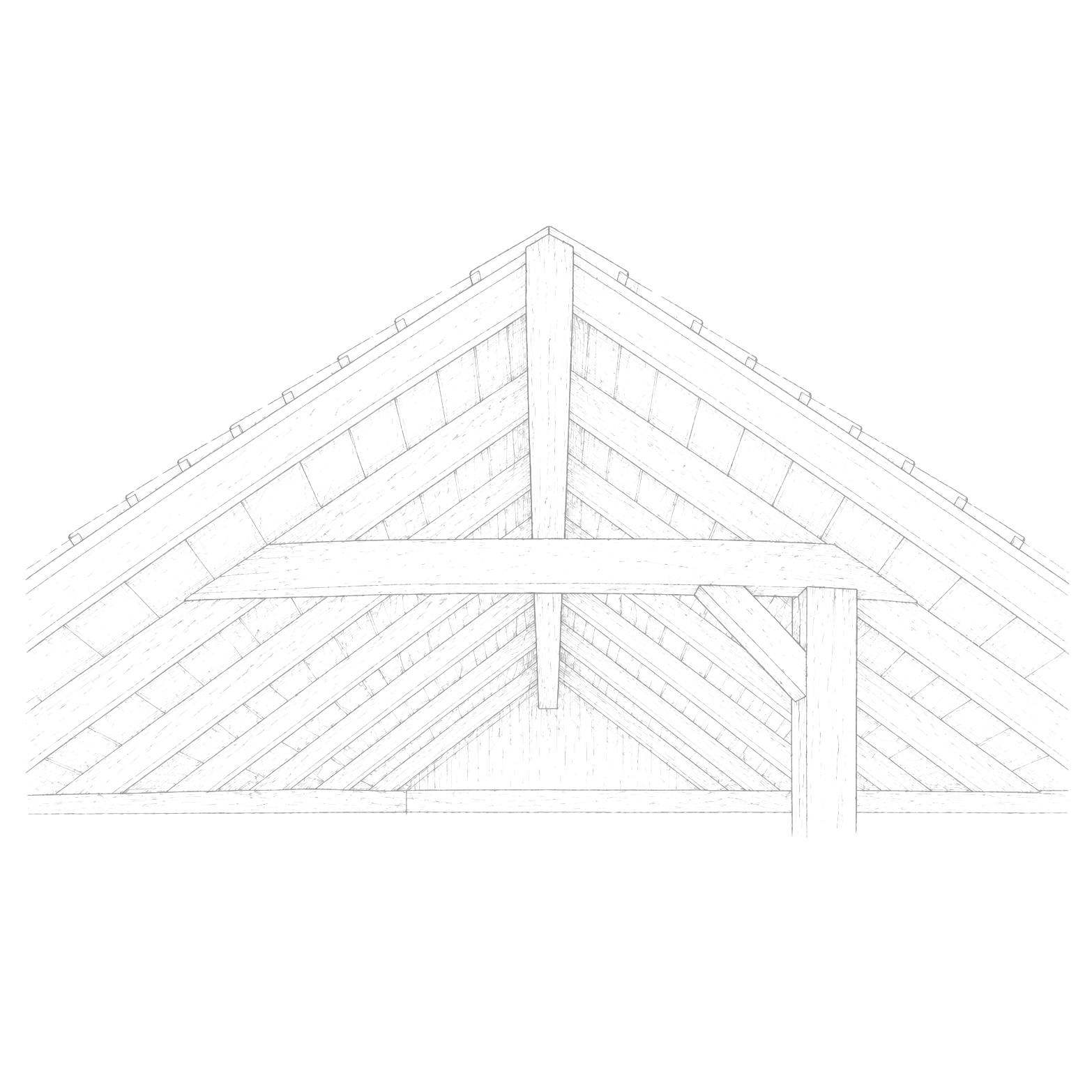
the Battery
It’s easy to understand how the progressive and high concentration and the many delicate evolutionary processes cannot occur simultaneously in the same container: for this reason, the production unit of Traditional Balsamic Vinegar is not made up of a single barrel but rather a set of barrels made of different woods and of varying sizes called a BATTERY (from a minimum of 5 to 10-12 barrels; we personally believe that 7 represents the right balance). The differentiation of the materials used in the individual barrels imparts a precious bouquet of aromas and unique characteristics. Typical traditional woods include oak, chestnut, mulberry, and juniper, later joined by cherry, then acacia/black locust, and finally ash.
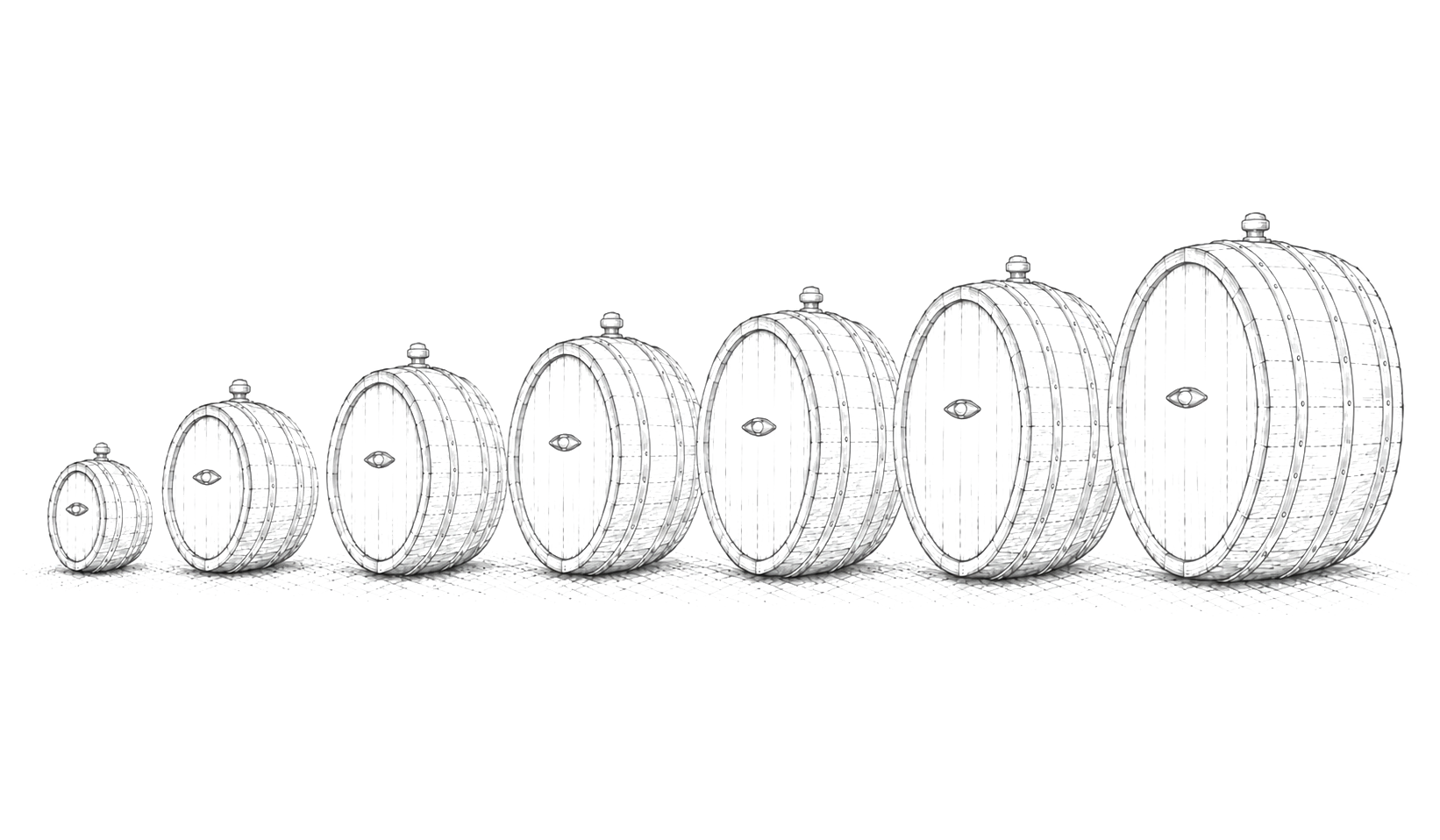
Maturation
Time, evaporation, and the undeniable industriousness of the microorganisms that populate Traditional Balsamic Vinegar of Modena create an environment hostile to their existence. Special enzymes thus promote a slow and natural lysis process, generating additional aromas unique to “Balsamic.”

Aging
Only long, interminable, eternal periods in ever smaller barrels will enhance the finesse or any imperfections in aroma and flavor, praising or cursing the management of the “Master of the Acetaia.”
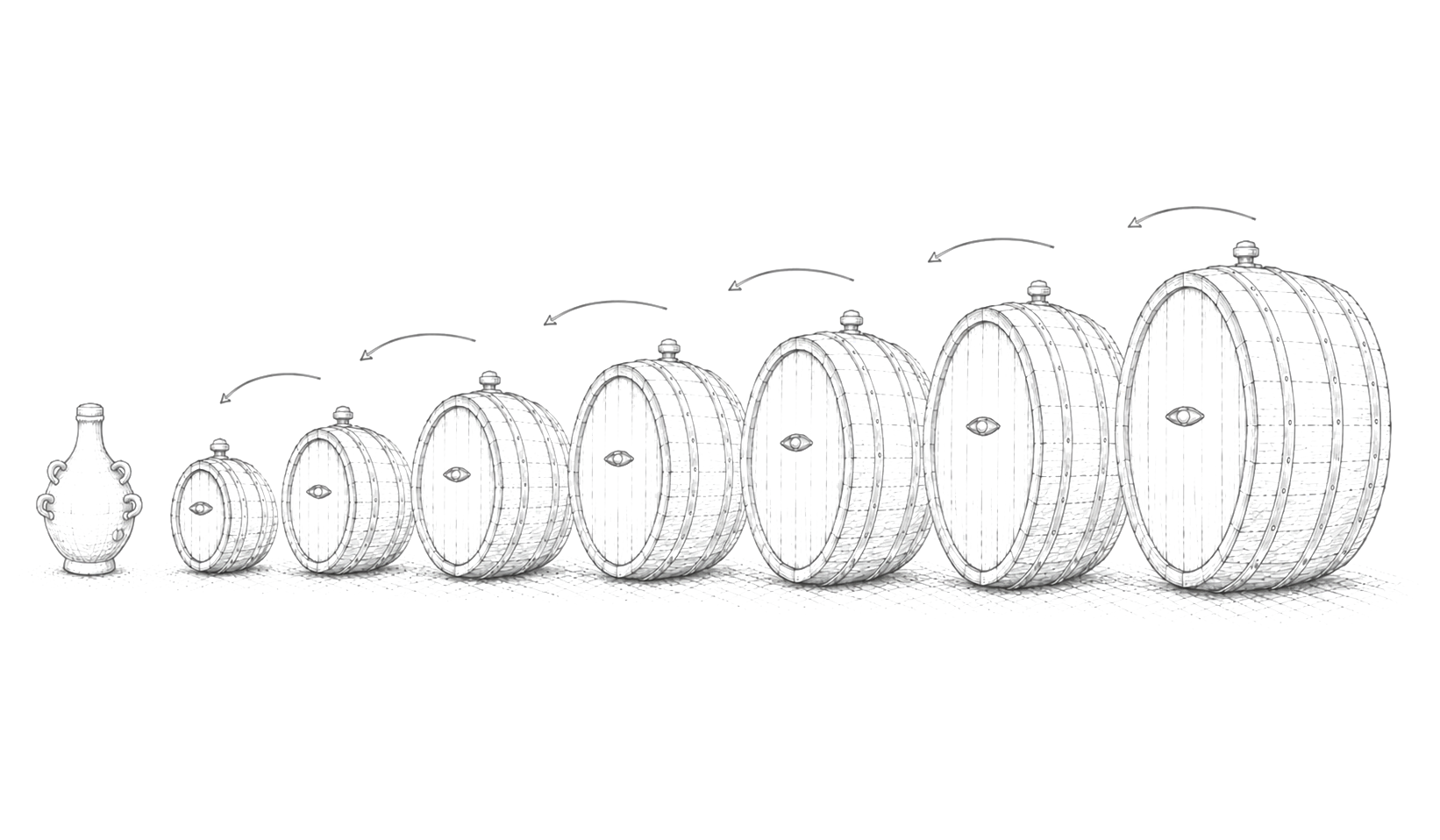
Decanting and topping up
The cycle is annual, in which the “Balsamic” seasons are two:
“The HOT Season“
during which microbiological transformations and water evaporation concentration occur.
“The COLD Season“
promotes rest and decanting, increasing the clarity of the product.
The transfer of small quantities (about 10%) from barrel to barrel, performed on the surface, is repeated every year at the end of winter, when the balsamic vinegar shines at its most clear. Each barrel will thus receive only a small amount of vinegar (about 15%) from its predecessor, to restore it to the proper level.
Withdrawal
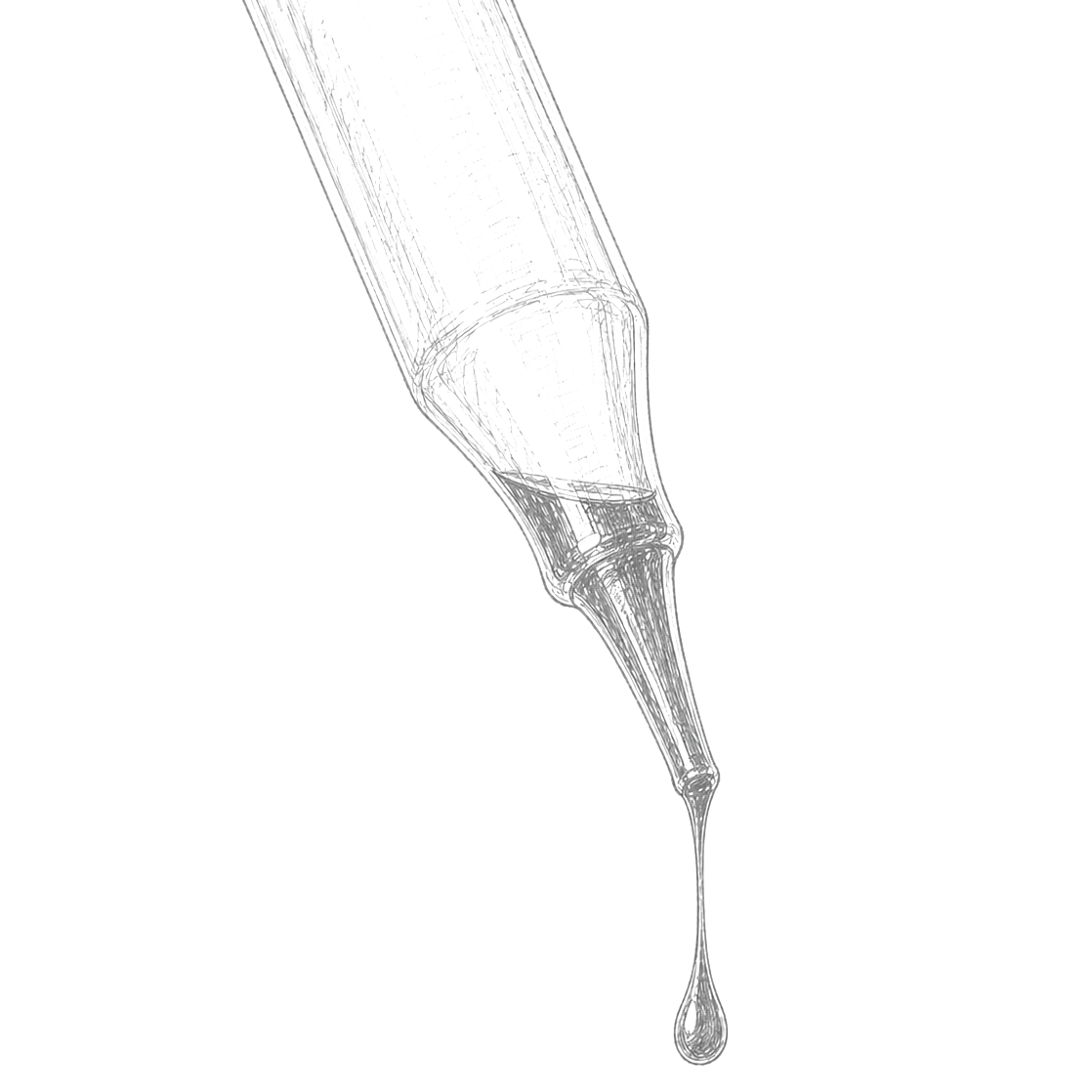
Only after at least 12 years for the Traditional, and 25 for the Extra-Old (the two categories recognized by law), can a minimum quantity be removed. The minimum quantity must not exceed 30% of the content of the smallest jar or 1.5% (maximum 3% for the 12-year category only) of the total content of the jar, whichever is smaller. This avoids compromising quality and yield in the years to come, as well as complying with the strict DOP regulations. Please note: certifying aging is not enough; it is essential that it has allowed the necessary organoleptic qualities to fully develop.
Membership Benefits
Why join our wine club?
Our wines are more than just bottles — they’re stories of soil, sun, and time. As a member, you become part of our winery family and gain insider access to the artistry and passion that goes into every vintage.
Exclusive access to production wines
A free glass or flight for you and up to 3 guests when you visit the Tasting Room
20% off private experiences
Option to include cheese pairing and webinar with each club shipment
Gift your membership perks
To a friend or family member when they visit the tasting room
Celebrate your Club anniversary
with an additional 2500 loyalty points.
Questions & Answers
Explore our most asked questions
The family welcomes you to a collection of unforgettable tasting experiences. Come enjoy all that we have to offer.
What wines do you currently offer now?
Great wines deserve more than just cheese and crackers! Head to one of the two fabulous restaurants in our premises or gaze at the sunset from the country’s first tasting room overlooking perfectly manicured rows of grapevines.
Do you ship wine to my location?
Great wines deserve more than just cheese and crackers! Head to one of the two fabulous restaurants in our premises or gaze at the sunset from the country’s first tasting room overlooking perfectly manicured rows of grapevines.
How can i join the wine club?
Great wines deserve more than just cheese and crackers! Head to one of the two fabulous restaurants in our premises or gaze at the sunset from the country’s first tasting room overlooking perfectly manicured rows of grapevines.
What food pairs best with your wines?
Great wines deserve more than just cheese and crackers! Head to one of the two fabulous restaurants in our premises or gaze at the sunset from the country’s first tasting room overlooking perfectly manicured rows of grapevines.
What is your return policy?
Great wines deserve more than just cheese and crackers! Head to one of the two fabulous restaurants in our premises or gaze at the sunset from the country’s first tasting room overlooking perfectly manicured rows of grapevines.

